
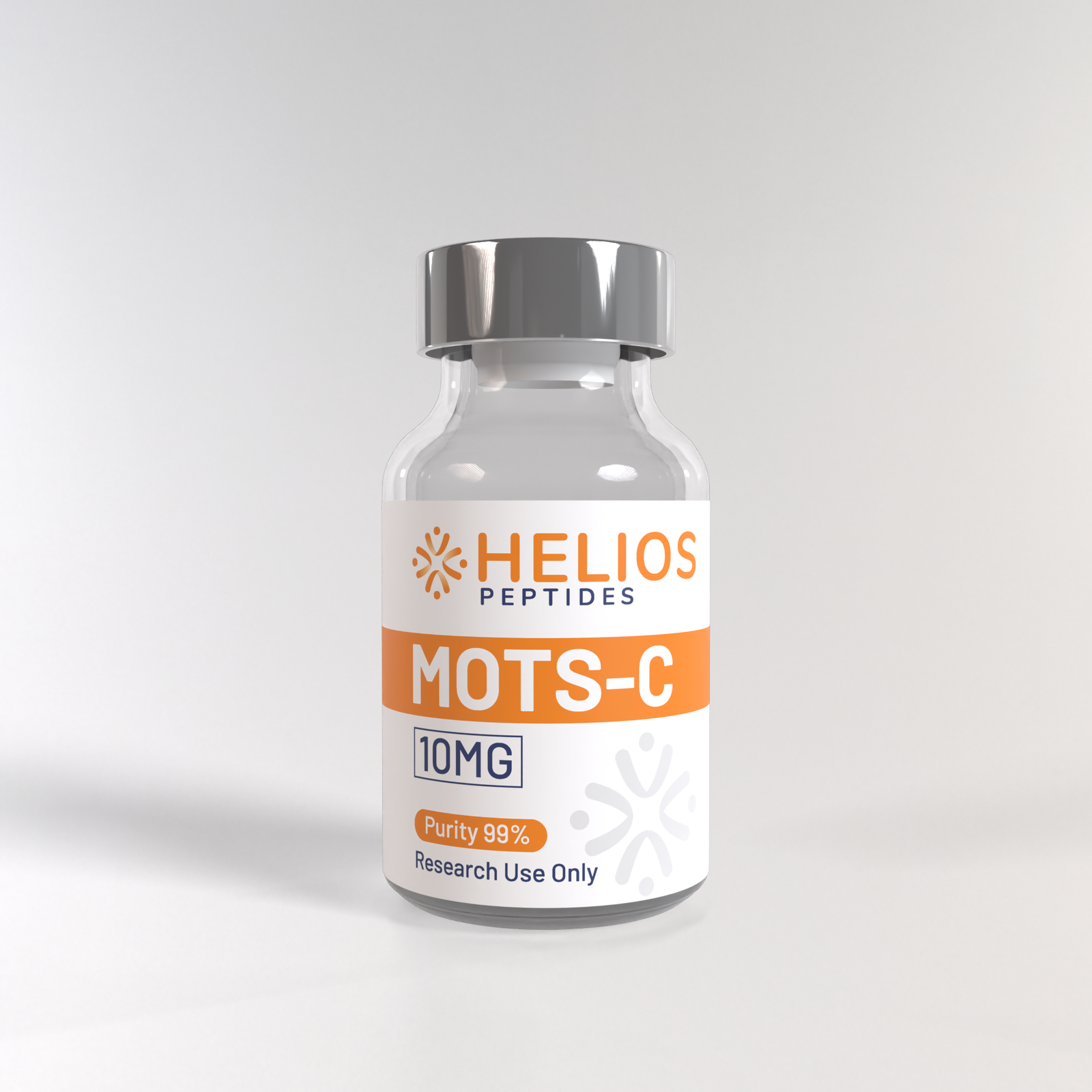
MOTS-C 10MG
MOTS-C (Mitochondrial-Encoded Open Reading Frame Small Cysteine-Rich Peptide) is a peptide derived from the mitochondrial genome, specifically from the mitochondrial open reading frame 1 (MOTIF) region. This product is intended exclusively for research applications in academic, industrial, or laboratory settings. Below are detailed descriptions of its research context, potential applications, and considerations for its use.
Research Context
MOTS-C was first identified in 2013 through a study investigating non-codons and open reading frames within mitochondrial DNA. Its discovery has spurred extensive research into its biological functions, particularly in relation to mitochondrial health, metabolic regulation, and potential roles in aging and disease. MOTS-C has been shown to possess metabolic effects, including the promotion of mitochondrial biogenesis, enhanced glucose uptake, and improved insulin sensitivity in preclinical models. These findings have opened avenues for further investigation into its potential implications for metabolic disorders and age-related decline.
Research Overview
MOTS-C represents a novel candidate in the emerging field of mitochondrial peptides. While much of its activity remains under study, preliminary research indicates that it may modulate mitochondrial function, influence energy metabolism, and exhibit potential neuroprotective effects. Its structure and origin distinguish it from conventional peptides, offering a unique perspective on mitochondrial gene expression and its potential therapeutic implications in research contexts.
Key Research Focus Areas
- Mitochondrial Biogenesis and Function: Studies have demonstrated that MOTS-C can enhance mitochondrial biogenesis and improve respiratory function in cellular and animal models, potentially impacting energy metabolism and cellular resilience.
- Metabolic Regulation: Research suggests that MOTS-C may influence glucose homeostasis, insulin signaling pathways, and overall metabolic efficiency, with implications for diabetes and obesity research.
- Neuroprotective Effects: Investigations in animal models have explored its potential role in neuroprotection, including neuroinflammation and neurodegenerative disease models such as Alzheimer’s and Parkinson’s.
- Aging and Senescence: Preliminary findings indicate that MOTS-C may contribute to extended lifespan and reduced age-related decline in mitochondrial function through modulation of cellular stress responses.
- Cellular and Molecular Mechanisms: Ongoing research focuses on elucidating the intracellular pathways through which MOTS-C exerts its effects, including interactions with AMP-activated protein kinase (AMPK), PGC-1α, and other metabolic regulators.
This peptide is supplied in a sterile, lyophilized form, intended for direct use in research applications. Users are advised to handle the peptide according to standard laboratory protocols for peptide storage, aliquoting, and reconstitution.
Important Disclaimer: The provided information is for research purposes only and is not intended to diagnose, treat, cure, or prevent any disease. This product is not approved for human or animal consumption. MOTS-C should only be used in accordance with established research protocols and under the supervision of qualified personnel. Users assume full responsibility for the safe and appropriate use of this material. Misuse may result in adverse health effects or legal consequences.
For research use only. Not for human or animal consumption.





Reviews
There are no reviews yet.