
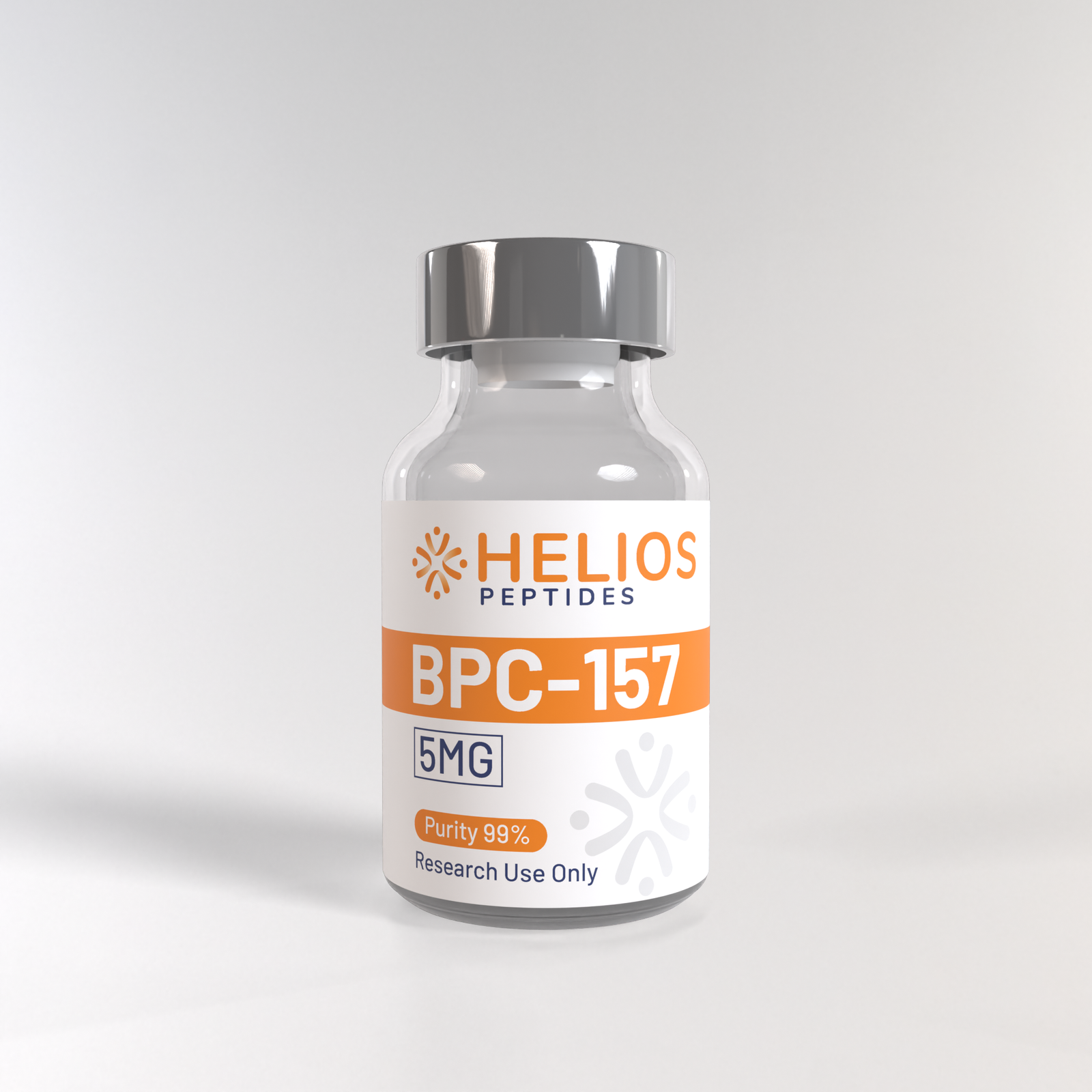
BPC-157
BPC-157 (Body Protecting Compound-157) is a synthetic peptide sequence derived from human gastric mucosa, initially identified through research aimed at understanding its potential effects on tissue repair and regeneration. This peptide is classified as a research-use-only (RUO) compound and is not intended for therapeutic, diagnostic, or cosmetic applications. The following description provides an overview of its scientific context, research focus, and relevant findings.
Research Context
BPC-157 emerged from studies investigating endogenous peptides involved in wound healing, inflammation modulation, and tissue regeneration. Its structure closely resembles natural peptides found in the human gastrointestinal tract, which have been associated with regenerative processes in various tissues. Initial investigations explored its potential as a molecular tool to study biological pathways involved in injury recovery, though its applications remain strictly confined to academic and industrial research settings.
Research Overview
BPC-157 has been evaluated in preclinical studies for its potential to influence healing mechanisms in diverse biological models, including animal models of soft tissue injuries, vascular damage, and degenerative conditions. Research has primarily focused on its ability to enhance tissue repair through mechanisms such as modulation of inflammatory responses, stimulation of cellular proliferation, and enhancement of extracellular matrix synthesis. While early findings are promising, further investigation is required to elucidate its exact molecular targets and optimal conditions for sustained efficacy.
Key Research Focus Areas
- Wound Healing and Tissue Regeneration: Evaluation of BPC-157’s role in accelerating repair processes in models of cutaneous wounds, spinal injuries, and vascular defects.
- Anti-Inflammatory and Anti-Oxidative Effects: Assessment of its modulation of pro-inflammatory cytokines and oxidative stress markers in response to injury.
- Neuroprotective Properties: Investigation of potential neurogenic and protective effects in models of neurodegeneration or spinal cord trauma.
- Gastrointestinal and Musculoskeletal Applications: Preliminary studies exploring its effects on gastrointestinal healing and musculoskeletal repair, though human data remain limited.
- Safety and Toxicological Profiles: Characterization of its metabolic clearance, pharmacokinetics, and potential off-target effects in various biological systems.
Important Cautions
This peptide is intended solely for research and development purposes within accredited academic, government, or industrial laboratories. Its synthesis, storage, and handling must comply with all applicable regulatory requirements, including export/import controls for controlled substances. Users are responsible for ensuring compliance with local, national, and international laws governing peptide research. Due to its structural resemblance to naturally occurring bioactive compounds, BPC-157 may interact with endogenous pathways, necessitating rigorous experimental controls to avoid unintended consequences.
For research use only. Not for human or animal consumption.
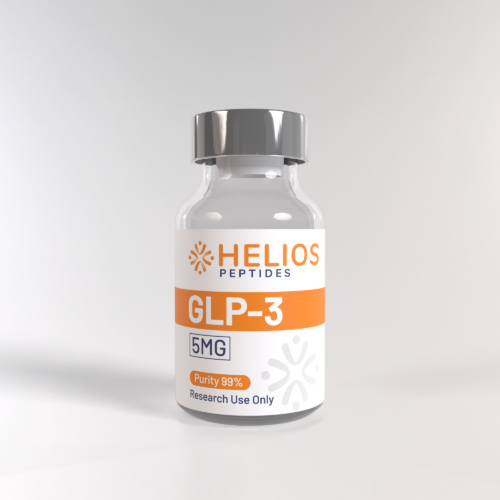
| Size | 10MG, 5MG |
|---|

Reviews
There are no reviews yet.